Building Winning Tactics in Table Games
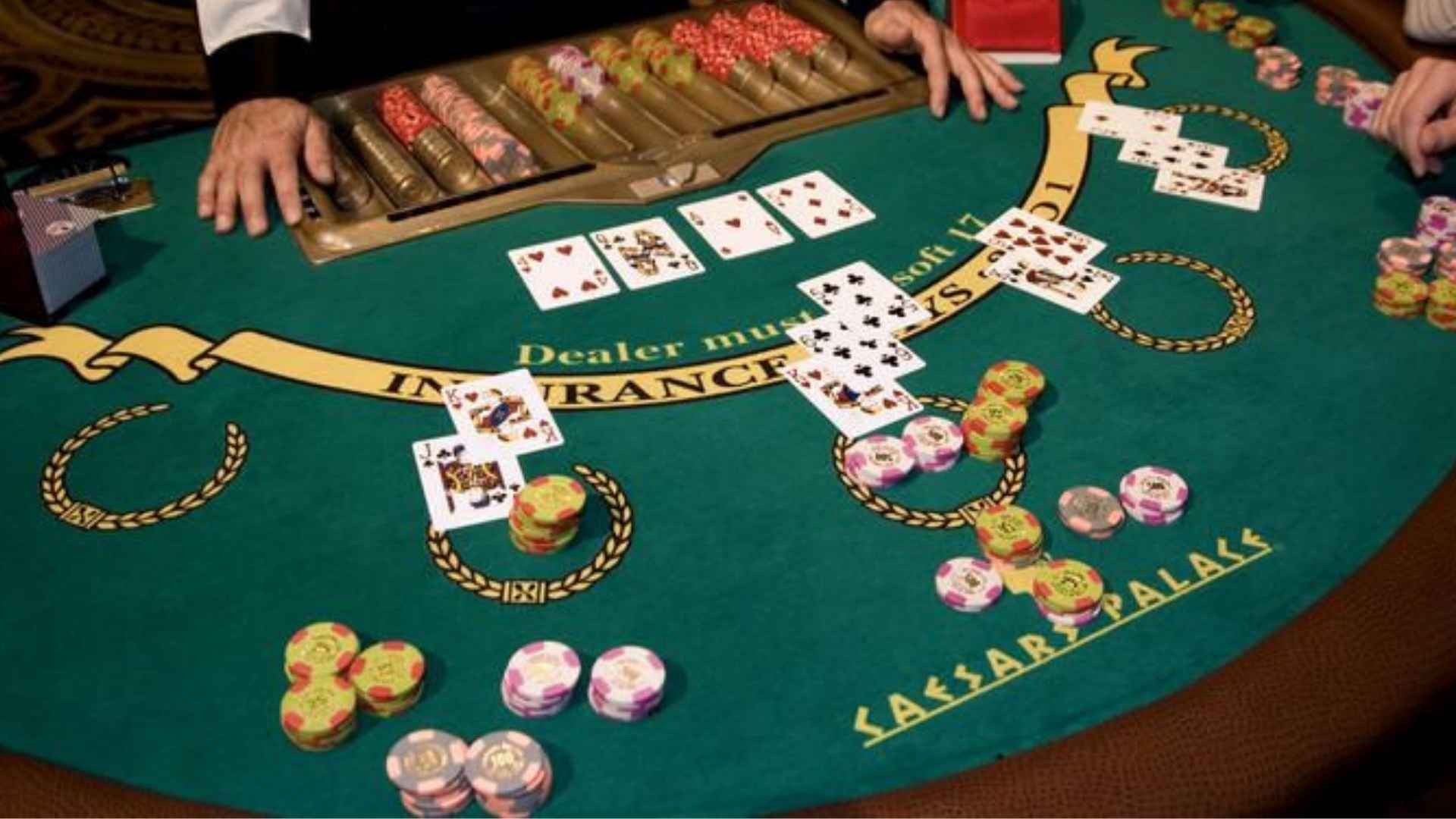
Stepping onto the gaming floor or entering a digital lobby presents a thrilling challenge that goes far beyond simple chance. To truly excel, players must transition from passive participants to active strategists who understand the underlying mechanics of each round. Developing a structured approach to decision-making is the key to minimizing losses and maximizing your enjoyment over time.
Understanding the Foundation of Game Mechanics
Every traditional table layout is built upon specific mathematical principles that determine the house edge and payout structures. Recognizing how these rules operate allows you to make informed decisions rather than relying on pure intuition. Successful players always begin by studying the specific rules of the variant they are playing to avoid costly mistakes.
Furthermore, managing your resources effectively is just as important as the decisions you make during a live hand. Setting a clear budget before you begin playing ensures that emotional choices do not compromise your strategy. This disciplined mindset forms the bedrock of any sustainable approach to competitive tabletop gaming.
Developing an Adaptable Tactical Mindset
A static strategy rarely succeeds in a dynamic environment where opponents and circumstances constantly shift. Great tactical thinkers remain highly observant of behavioral patterns and betting trends at the table. By adjusting your pace and wagering habits based on these observations, you can maintain better control over the flow of the game.
For players looking to practice these adaptive skills in a modern digital environment, finding the right tools is highly beneficial. Utilizing resources like the game stick m88 can help you refine your tactical approaches and test new formulas in real-time. Consistent practice in low-stakes scenarios eventually builds the muscle memory needed for high-pressure situations.
The Role of Discipline and Emotional Control
Even the most brilliant tactical plan can fail if a player succumbs to frustration or impatience during a losing streak. Maintaining emotional equilibrium allows you to think clearly and stick to your established mathematical strategies. Experienced players treat every hand as an independent event, unaffected by previous wins or losses.
Ultimately, long-term success at the tables is defined by consistency and a commitment to continuous learning. By analyzing your past performances objectively, you can identify weak points in your execution and make necessary adjustments. This focus on incremental improvement separates casual enthusiasts from truly strategic players.