How Designers Use Movement To Make Simple Outcomes More Engaging
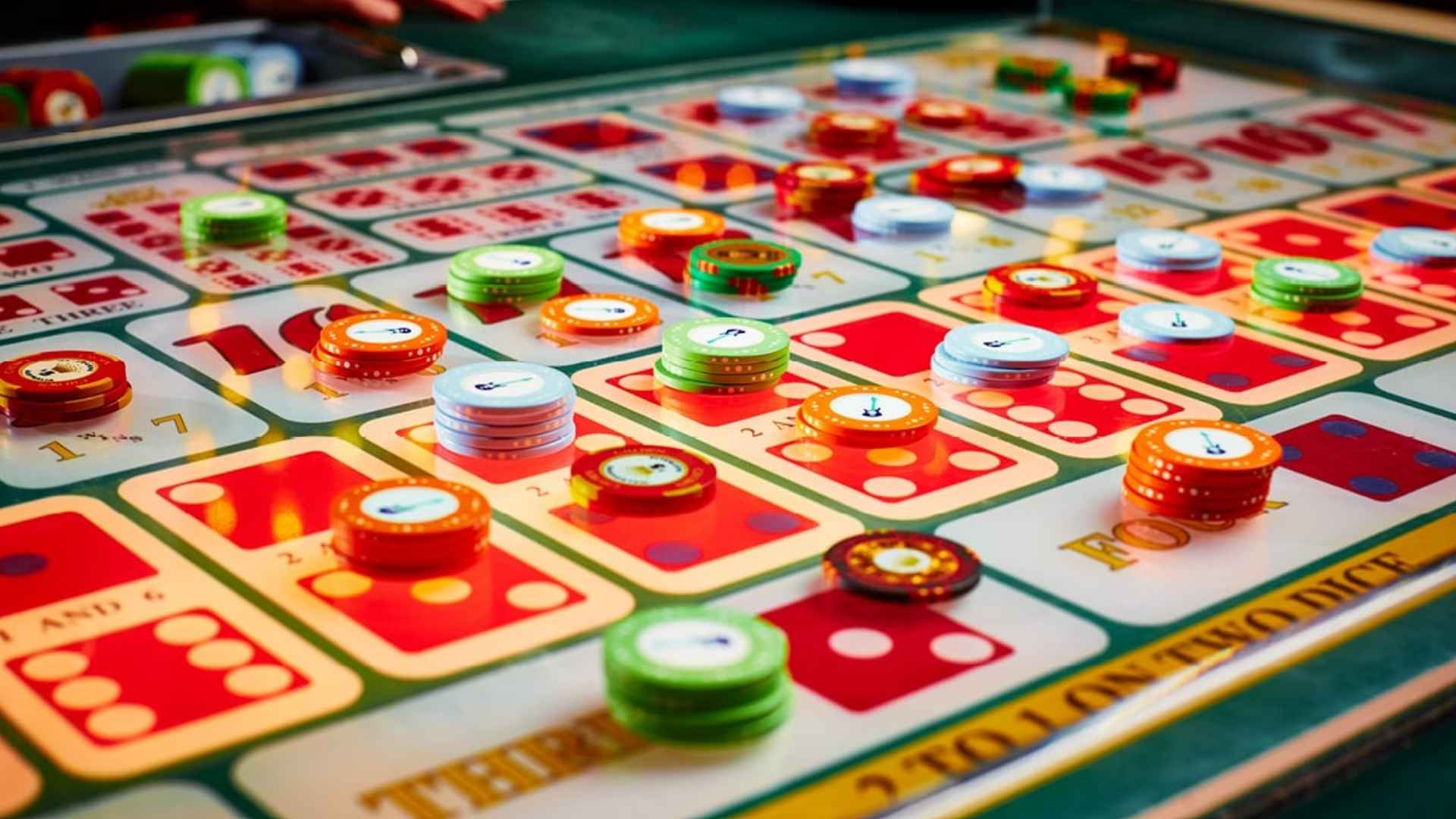
Digital interface design relies heavily on subtle visual cues to capture user attention and guide interaction. When simple results or binary outcomes are presented with thoughtful motion, the user experience becomes significantly more dynamic and memorable. Understanding how motion design bridges the gap between static content and human perception helps creators build more compelling digital products.
The Psychology of Visual Anticipation
Movement naturally draws human visual focus toward a specific point on the screen. By delaying a simple reveal through gentle rotation or sliding animations, designers build a brief moment of natural suspense. This brief build-up transforms a basic notification into an event that feels far more meaningful to the user.
When an outcome appears instantly without visual feedback, users often miss the change or fail to register its importance. Motion acts as a cognitive bridge, allowing the brain time to adjust to new information seamlessly. As a result, users feel more connected to the actions they take within an application.
Transforming Mundane Interactions Through Motion
Everyday actions like refreshing a feed, submitting a form, or clicking a button benefit immensely from motion design. Instead of static state changes, micro-animations provide continuous visual context during routine transitions. These small touches reduce cognitive fatigue and make repetitive digital tasks feel effortless.
Interactive platforms across various industries utilize these dynamic visual techniques to maintain user focus during short waiting periods. For instance, evaluating dynamic platform features in an m88 review highlights how visual feedback improves overall user satisfaction and interface clarity. Smooth transitions reassure users that the system is responding actively to their inputs.
Balancing Deceleration and Emotional Impact
The speed at which an animation slows down plays a crucial role in shaping user expectations. Fast initial movement paired with a gradual deceleration creates a sense of natural physical motion that feels familiar to observers. This realistic pacing enhances the feeling of fairness and transparency when displaying randomized or selective choices.
If movement stops too abruptly, the visual effect feels artificial and loses its emotional resonance. Conversely, allowing an animation to settle smoothly over a fraction of a second gives users time to anticipate the final result. Designers carefully tune these timing curves to maximize engagement without causing unnecessary delays.
Building User Trust with Meaningful Visual Cues
Motion design must always serve a functional purpose rather than acting as a purely decorative distraction. Clear visual trajectories help users understand where information originates and where it settles on the display. This structural clarity prevents confusion and builds long-term trust in the interface design.
When users can visually track how a system arrives at a result, their confidence in the interaction increases substantially. Meaningful movement transforms plain data into an intuitive narrative that users can follow effortlessly. By prioritizing purposeful animation, modern designers ensure that even the simplest digital outcomes remain engaging and trustworthy.